
Excess body weight is a major modifiable risk factor in many orthopaedic conditions, including knee osteoarthritis, hip pain, low back pain, and degenerative joint disease. Unlike age or genetics, weight is often a modifiable factor that patients can actively influence to reduce pain and improve mobility. Strategic weight loss not only reduces symptoms but can delay progression of disease and defer surgical intervention.
Maintaining a healthy body weight plays a major role in preventing and managing many orthopaedic conditions..
Knee Joint load with Activity
| Activity | Load on Joints |
| Level walking | 0.5 x Body weight |
| Cycling ( Stationary Bike) | 1.5 x Body weight |
| Stairs | 3-4 x Body weight |
| Running | 4.5-7.5 x Body weight |
| Squatting | 7-8 x Body weight |
| Jumping | 20 x Body weight |
How Excess Weight Affects Bones, Joints, and Overall Health
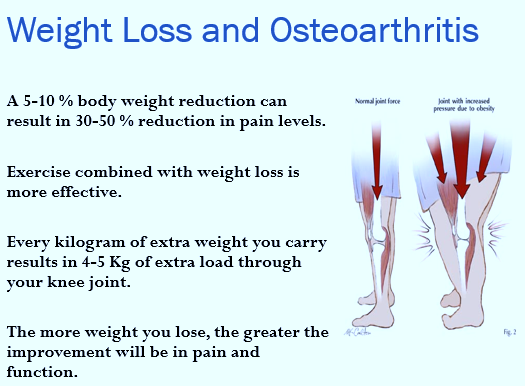
- Increased joint loading: Extra body weight places high stress on weight-bearing joints such as knees, hips, ankles, and the spine.
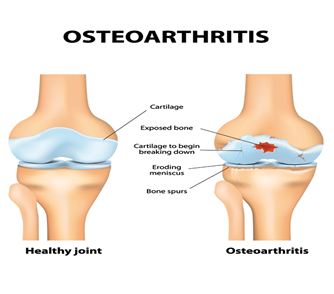
- Accelerated cartilage wear: Continuous overload speeds up cartilage breakdown, worsening arthritis.
- Altered posture and body mechanics: Excess abdominal weight shifts the body’s centre of gravity, increasing strain on the lower back and spine.
- Muscle weakness and imbalance: Reduced core and thigh strength decreases joint stability and increases injury risk.
- Increased inflammation: Fat tissue releases inflammatory substances that worsen pain and stiffness, even in non–weight-bearing joints.
- Higher risk of tendon and ligament problems: Conditions like plantar fasciitis, Achilles tendinitis, and shoulder pain are more common.
- Slower recovery: Healing after fractures, injuries, or surgery may be delayed due to metabolic stress.
- Impact on overall health: Obesity increases the risk of diabetes, heart disease, fatigue, and reduced exercise tolerance—factors that negatively affect orthopaedic outcomes.
How Weight Loss Helps Orthopaedic Conditions
- Reduces pressure on joints, leading to less pain during daily activities
- Improves walking capacity, balance, and endurance
- Slows progression of knee and hip osteoarthritis
- Enhances the effectiveness of physiotherapy and injections
- Improves surgical safety, recovery, and long-term outcomes
How Much Weight Loss Is Beneficial?
- Even 5–10% weight reduction can significantly reduce joint pain
- Gradual, sustained weight loss is safer and more effective than rapid dieting
How to Achieve Healthy Weight Loss
Achieving weight loss safely requires a sustainable, evidence-based approach:
- Nutritional Optimization: Prioritize whole foods, lean proteins, vegetables, and controlled carbohydrate intake. Avoid extreme fad diets.
- Activity Modification: Low impact exercises (cycling, swimming, hydrotherapy) reduce joint stress while improving metabolic rate and muscle strength.
- Behavioural Support: Goal setting, food diaries, and regular follow-ups enhance adherence.
- Multidisciplinary Care: Dieticians and physiotherapists complement orthopaedic guidance.

Safe and Practical Ways to Achieve Weight Loss
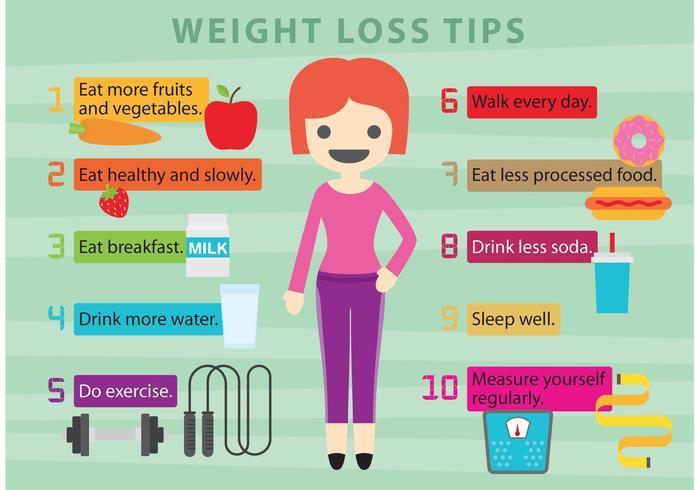
- Balanced diet: Portion control, adequate protein, fruits, and vegetables
- Low-impact exercises: Walking on flat surfaces, cycling, swimming, water exercises
- Muscle strengthening: Improves joint support and reduces strain
- Consistency over intensity: Regular activity is more important than strenuous workouts
Red Flags
- Avoid high-impact activities if joint pain is present
- Extreme diets can cause muscle loss and nutritional deficiencies
- Stop activity and seek advice if pain, swelling, or instability increases
When to Seek Help
Weight loss is a powerful tool, but it may not be sufficient alone. You should consult an orthopaedic specialist when:
- Pain persists after 6–8 weeks of guided therapy
- There is mechanical locking, significant swelling, or functional loss
- You are considering surgical options and need optimization
In summary: Weight loss is one of the most effective, patient-controlled tools for protecting joints, reducing pain, and improving quality of life. When combined with proper guidance, it can delay disease progression and reduce the need for surgical intervention.
Related Reading
Surgical techniques and rehabilitation protocols continue to evolve.
You may also wish to read about recent updates and advances related to this condition in our Latest Advances section.
If you are new to this topic or would like a broader understanding of the condition itself, you may find it helpful to read our detailed patient guide on Knee Replacement : What Patients Should Know