

Back pain is one of the most frequent health complaints across all age groups. It may appear after long hours of sitting, sudden lifting of weight, poor sleeping posture, or even without any obvious cause. For many people, it is a short-lived inconvenience that improves with rest and simple measures. However, in some situations, back pain may be a warning sign of an underlying problem that requires medical attention.
Understanding the nature of your back pain—whether it is harmless or significant—can help you respond appropriately and prevent long-term disability.
What Is Back Pain?
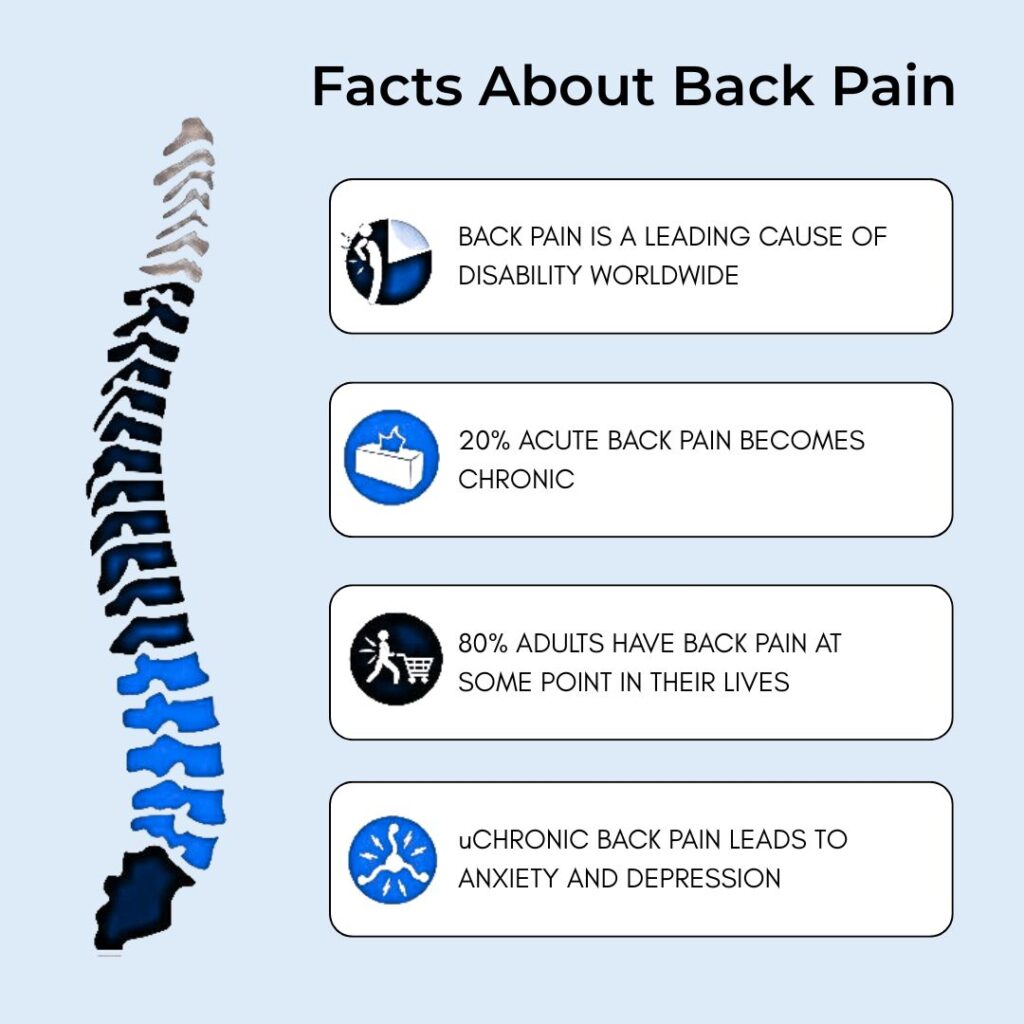
Back pain refers to discomfort or stiffness felt anywhere between the neck and the hips. It may arise from muscles, ligaments, joints, discs, bones, or nerves of the spine. The pain can vary in character and pattern:
- Localised to one specific area
- Spread across the lower or upper back
- Travel to the buttocks or legs
- Be dull and aching or sharp and sudden
For many individuals, back pain interferes with routine activities such as sitting, bending, walking, working, and even sleeping. Recurrent episodes can significantly affect quality of life.

Why Does Back Pain Occur?
Back pain commonly results from a combination of lifestyle factors and age-related changes. Common causes include:
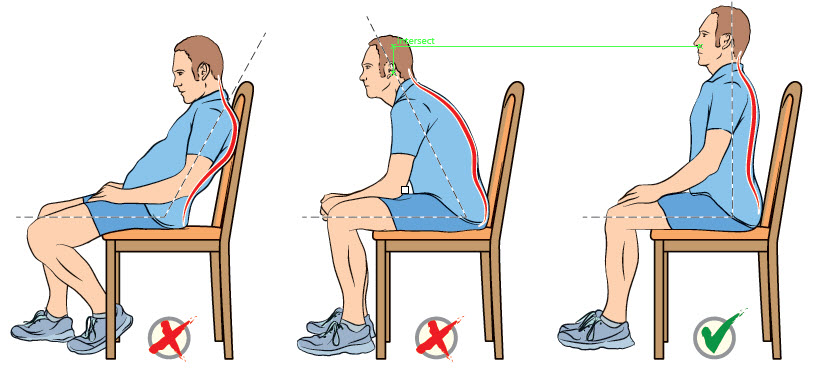
- Poor posture while sitting, especially during prolonged screen time
- Long hours of desk work without breaks
- Weak core and back muscles
- Sudden lifting or twisting movements
- Overweight and obesity, increasing load on the spine
- Natural wear and tear with age
- Slipped disc (disc prolapse)
- Arthritis of the spine
- Minor injuries or unnoticed falls
Often, more than one factor contributes to the problem, which is why recurrence is common if habits are not corrected.
Common Symptoms That Patient Notices:
Patients with back pain may experience:
- Dull ache or sharp pain in the back
- Morning stiffness
- Pain while bending or turning
- Discomfort after prolonged sitting or standing
- Pain radiating to one or both legs (sciatica)
- Tingling or numbness in the limbs
- Fatigue due to disturbed sleep
Symptoms may be mild and intermittent or severe enough to restrict movement and daily function.
What You Can Do: Self-Care and Prevention
Many episodes of back pain improve with simple, non-invasive measures:
- Maintain a healthy body weight
- Stay physically active; avoid prolonged bed rest
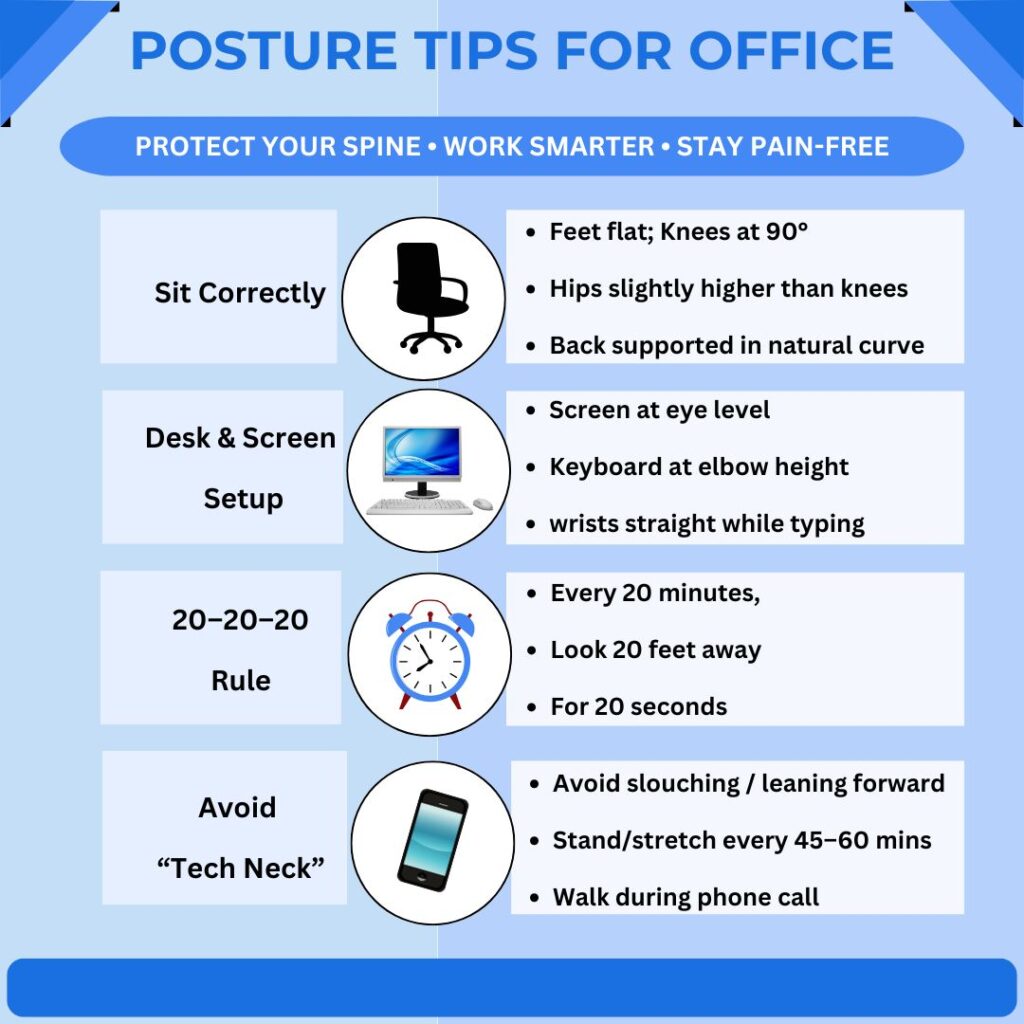
- Use correct posture while sitting and working
- Choose a firm chair with proper back support
- Avoid sudden bending or heavy lifting
- Strengthen core and back muscles through guided exercises
- Use a firm mattress with appropriate pillow support
- Take short walking or stretching breaks during long sitting hours
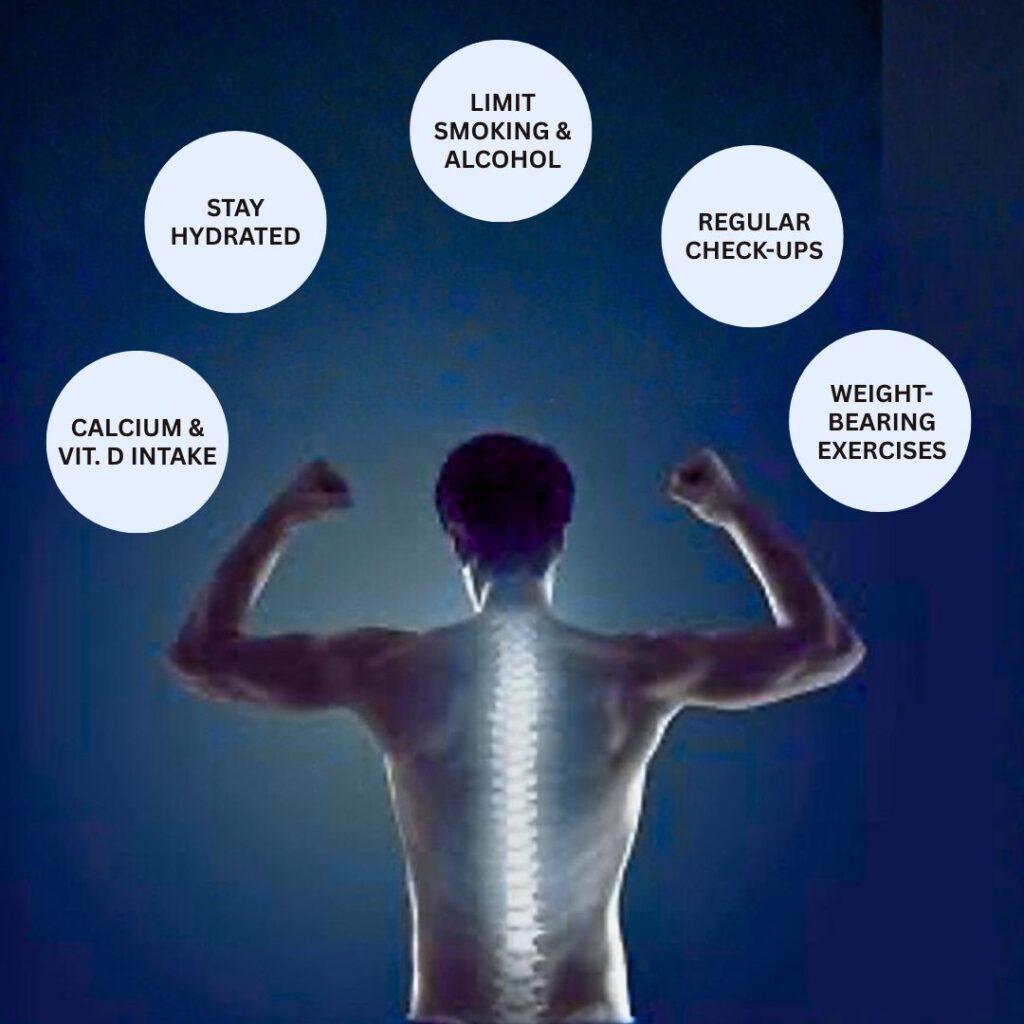
These habits reduce strain on the spine and help prevent recurrence.
When Should You See a Doctor?
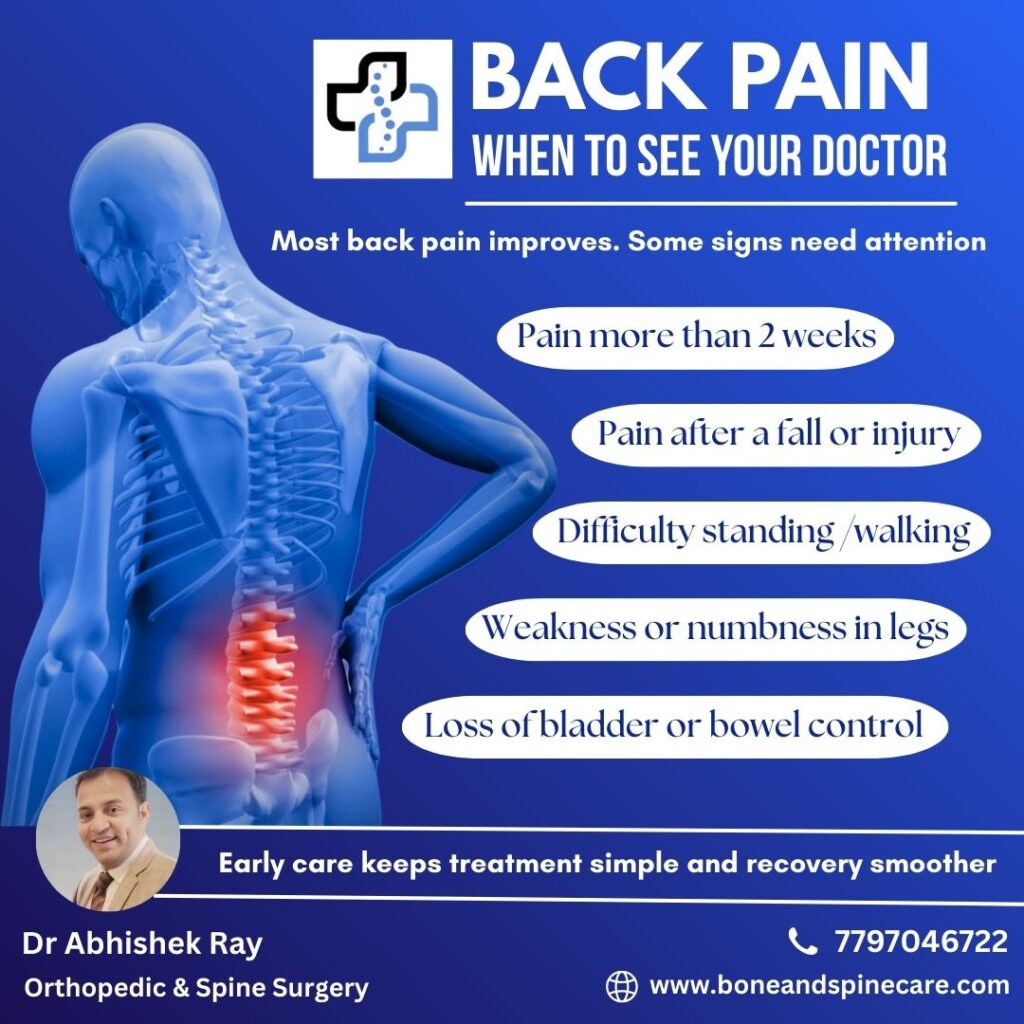
Consult an orthopaedic or spine specialist if you experience:
- Pain lasting more than 2–3 weeks
- Pain following a fall or accident
- Progressive weakness or numbness in the legs
- Difficulty walking or standing
- Severe night pain
- Pain associated with fever or unexplained weight loss
- Loss of bladder or bowel control
These may indicate conditions that require timely evaluation and treatment.
Closing Note
Most back pain is manageable when addressed early. Ignoring persistent symptoms often allows simple problems to become complicated. With proper guidance, many patients recover without surgery and return to normal life comfortably. If back pain is affecting your daily routine, it is wise to seek expert advice—early care keeps treatment simple and outcomes better.
Related Articles
5 Common Myths About Spine Surgery
Sciatica Explained: Why Pain Travels to the Leg
When Should You See a Doctor for Back Pain?
Latest Developments in Treating Spinal Disorders