
Introduction
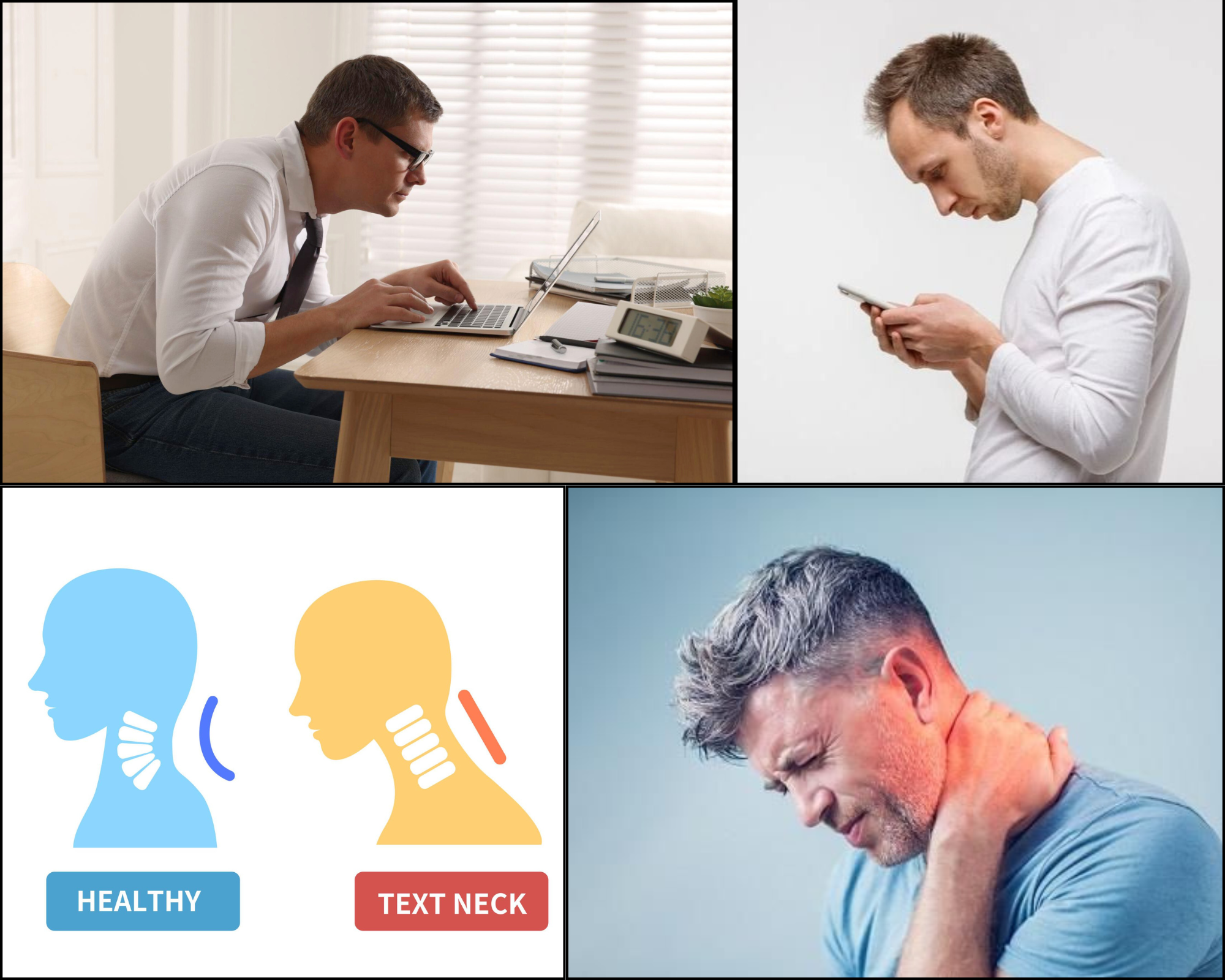
Neck pain has quietly become one of the most common problems in today’s working population. Just like back pain, neck pain has become increasingly common due to modern lifestyle habits. From students attending online classes to professionals working long hours on laptops, and even children using mobile phones for entertainment — our necks are under constant strain. What begins as mild stiffness or occasional discomfort can slowly turn into persistent pain that affects work, sleep, and daily comfort.
The good news is that most neck pain related to screen use is preventable and manageable — if addressed early and correctly.
What Is the Problem?

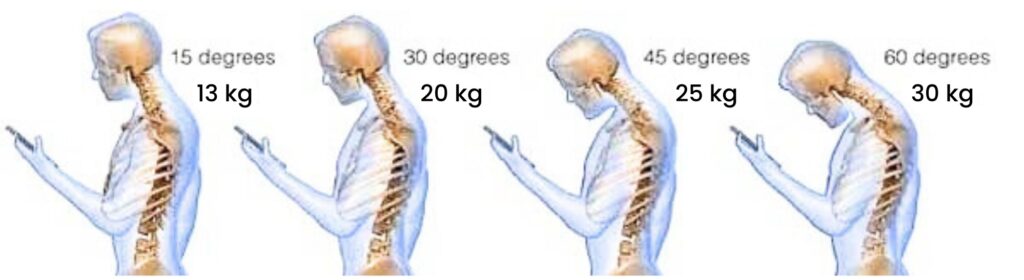
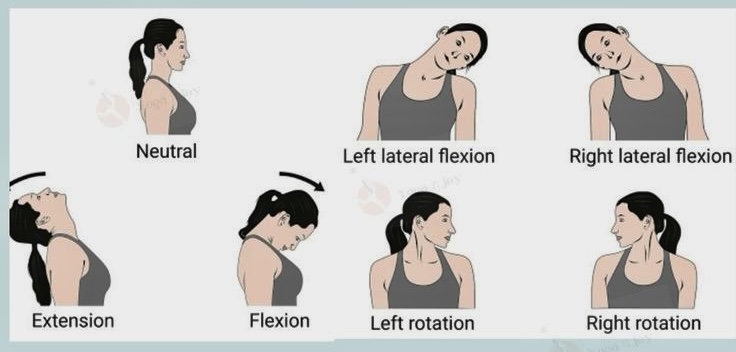
The neck, medically called the cervical spine, supports the weight of the head and allows it to move in different directions. When we bend our head forward to look at a phone or laptop for long periods, the load on the neck increases significantly.
For example, when the head tilts forward just 30–45 degrees, the effective weight on the neck muscles multiplies several times. Over months and years, this repeated strain leads to muscle fatigue, ligament stress, and sometimes pressure on spinal discs and nerves.
This condition is commonly referred to as “text neck” or screen-related neck strain. It can interfere with simple activities such as:
- Turning your head while driving
- Sleeping comfortably
- Working at a desk
- Lifting light objects
- Concentrating due to associated headaches
Ignoring early symptoms can lead to chronic pain or nerve irritation.
Why Does Neck Pain Happen?
Neck pain in mobile and laptop users is usually not due to a single injury. It develops gradually because of daily habits.
Common contributing factors include:
- Looking down at mobile phones for long durations
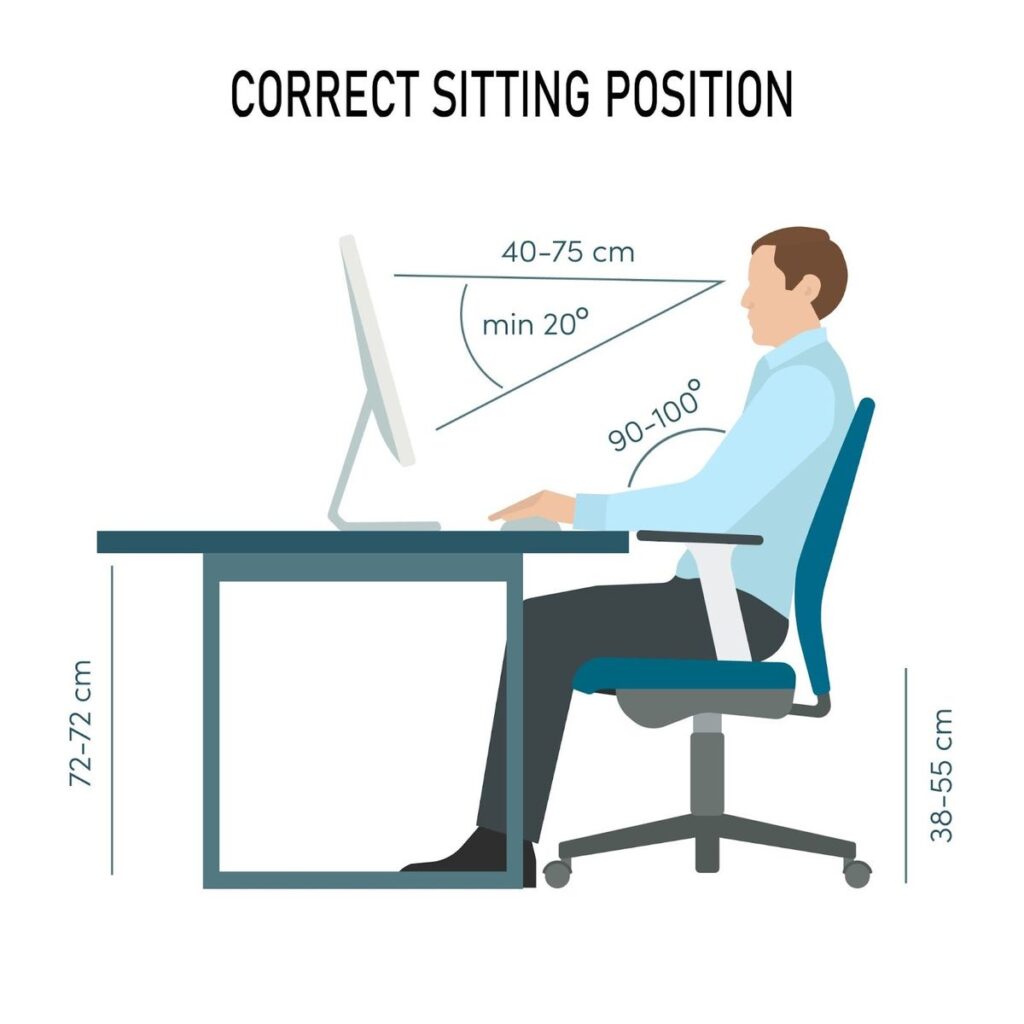
- Laptop screens placed too low
- Working without back support
- Long hours without breaks
- Sedentary lifestyle
- Weak neck and upper back muscles
- Obesity increasing spinal load
- Stress causing muscle tightness
- Age-related wear and tear
The modern lifestyle encourages forward-bent posture. Unfortunately, the spine is not designed to tolerate this position continuously.
Common Symptoms Patients Notice
Neck strain does not always begin dramatically. Early symptoms are often subtle.
Patients may notice:
- Dull ache at the back of the neck
- Stiffness, especially in the morning
- Difficulty turning the head fully
- Headache starting from the back of the head
- Shoulder or upper back tightness
- Pain radiating to one arm
- Tingling or numbness in fingers
- Fatigue due to disturbed sleep
If nerve structures become irritated, arm pain or hand weakness may develop.
What You Can Do: Practical Self-Care Steps

Most cases improve significantly with simple corrective measures. Here are practical changes you can start immediately:
1. Adjust Screen Height
Keep your laptop or desktop screen at eye level. Use a stand or stack of books if needed.
2. Raise Your Phone
Hold your mobile at eye level instead of bending your neck downward.
3. Follow the 30–5 Rule
After every 30 minutes of screen time, take a 5-minute break. Stand up, stretch, and move.
4. Sit Correctly
Use a chair with back support. Keep feet flat on the floor. Avoid slouching.
5. Strengthen Your Muscles
Simple neck and shoulder exercises improve support. Examples include:
- Chin tucks
- Shoulder blade squeezes
- Gentle neck stretches
These should be done slowly and without jerky movements.
6. Choose the Right Pillow
Use a supportive pillow that keeps the neck in neutral alignment. Avoid very high or very flat pillows.
7. Stay Physically Active
Regular walking, swimming, or supervised exercises help maintain spinal health.
These small adjustments, when practiced consistently, make a significant difference.
When Should You See a Doctor?
According to the American Academy of Orthopaedic Surgeons (AAOS), most neck pain improves with conservative treatment like postural correction and exercises. However, persistent or nerve-related symptoms require medical evaluation.
Consult an orthopaedic or spine specialist if you have:
- Pain lasting more than 2–3 weeks
- Increasing arm pain or weakness
- Persistent numbness in fingers
- Difficulty holding objects
- Severe headache with neck stiffness
- Pain after a fall or accident
- Loss of bladder or bowel control
Early evaluation prevents complications and ensures appropriate treatment.
Closing Note
Neck pain related to mobile and laptop use is becoming increasingly common, but it is largely preventable. Your spine reflects your daily habits. Small changes in posture, regular breaks, and simple strengthening exercises can protect your neck for years to come.
Most cases respond well to conservative treatment when addressed early. If your symptoms are persistent or affecting your daily life, seeking timely professional advice can help you recover safely and avoid long-term problems.
Related Articles
Cervical Spondylosis: Age-Related Neck Changes Explained
Neck Pain with Arm Numbness: Is It a Nerve Problem?