

Knee pain can gradually become a constant companion—making climbing stairs difficult, sitting cross-legged uncomfortable, and even short walks painful. When medications, physiotherapy, and injections no longer provide lasting relief, knee replacement surgery can help restore mobility, confidence, and quality of life.
This guide explains the procedure in simple terms to help patients and families make an informed decision.
⭐ What Is Knee Replacement Surgery?
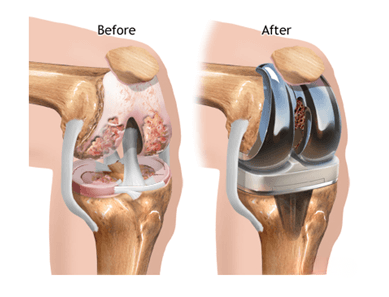
Knee replacement surgery, also known as Total Knee Arthroplasty, involves replacing the damaged cartilage and bone surfaces of the knee joint with smooth, durable artificial components.
The primary goals of the surgery are to:
Reduce or eliminate knee pain
Improve walking and daily mobility
Restore knee movement
Enable a return to routine activities with comfort
Modern knee implants are designed to closely mimic natural knee movement and are highly durable.
⭐ Who May Need a Knee Replacement?
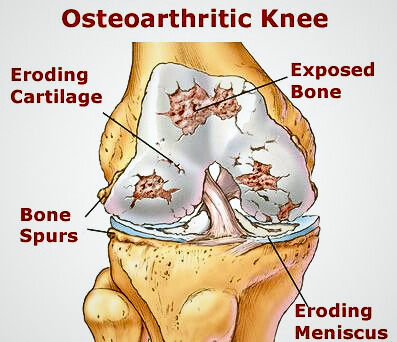
A knee replacement may be considered if:
Knee pain persists even at rest or during sleep
Pain interferes with routine activities such as walking, standing, or climbing stairs
There is advanced arthritis (osteoarthritis or rheumatoid arthritis)
Physiotherapy, medications, or injections no longer provide relief
The knee has become stiff, deformed, or bowed
This is not an age-restricted surgery. The decision depends on symptom severity and impact on daily life rather than age alone.
⭐ Types of Knee Replacement
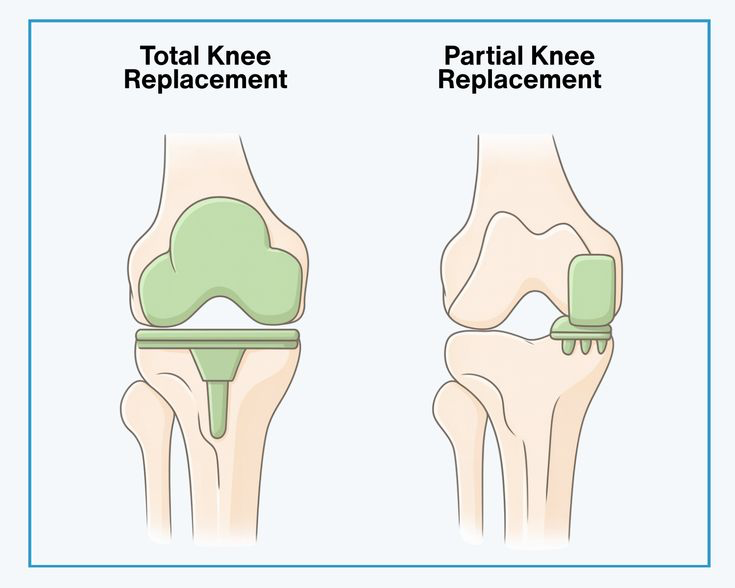
Total Knee Replacement (TKR)
Both sides of the knee joint are resurfaced
Suitable for widespread arthritis and severe symptoms
Partial Knee Replacement (PKR)
Only the affected compartment of the knee is replaced
Recovery may be faster, but this option is suitable only when arthritis is limited
⭐ Benefits Commonly Experienced by Patients
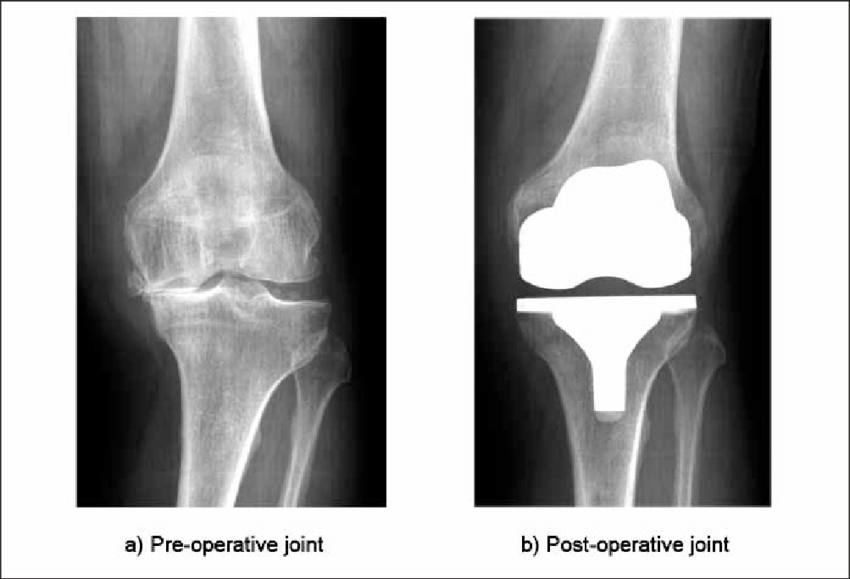
Most patients report:
Significant relief from chronic knee pain
Improved ability to walk longer distances
Better sleep quality
Easier stair climbing
Return to activities such as travel, gardening, and light recreational sports
Overall improvement in quality of life
Many patients later remark that they wish they had undergone the procedure earlier.
⭐ What to Expect During Recovery
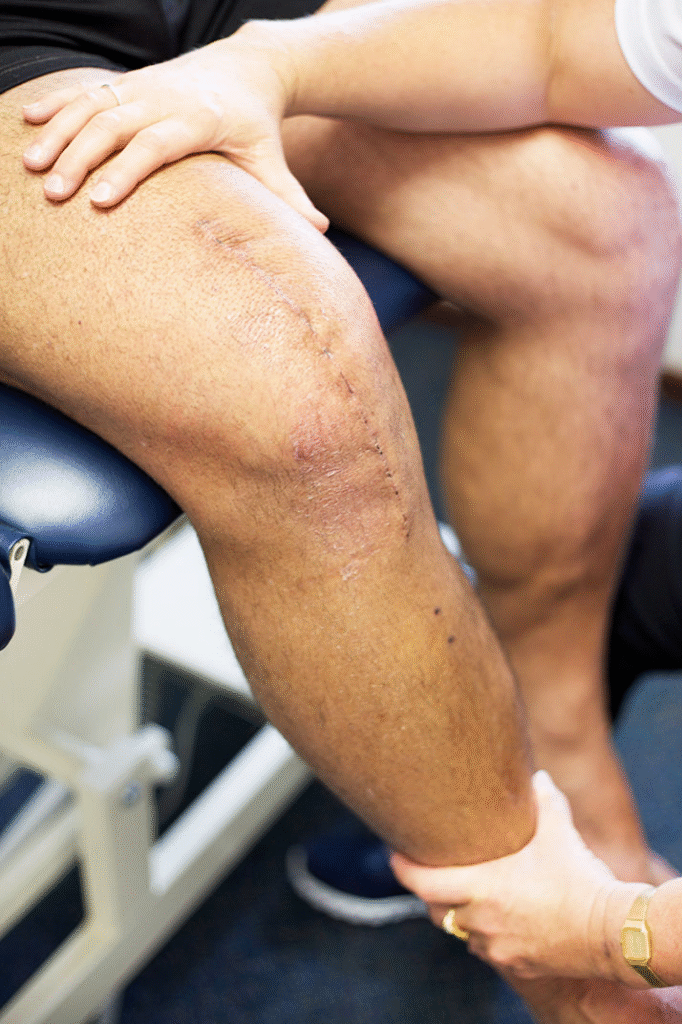
Hospital Stay
- 2–3 days
Walking typically begins within 24 hours
Physiotherapy starts early to restore movement and strength
At Home
Light daily activities within 2–3 weeks
Driving usually after 4–6 weeks
Full recovery generally takes around 3 months, depending on age and fitness
Longevity of the ImplantWith appropriate care and activity modification, modern knee implants typically last 15–25 years.
⭐ Tips for a Safer and Faster Recovery
Follow physiotherapy instructions regularly
Use walking aids initially as advised
Maintain good blood sugar control (especially for diabetic patients)
Avoid sitting on the floor or deep squatting in early recovery
Maintain a healthy body weight
Continue strengthening exercises even after recovery
⭐ Common Myths About Knee Replacement
Myth: “I will never walk normally again.”
Fact: Most patients walk comfortably within weeks of surgery.
Myth: “The implant will break easily.”
Fact: Implant failure is rare with modern designs and proper care.
Myth: “I should wait until the pain becomes unbearable.”
Fact: Excessive delay may worsen stiffness, deformity, and muscle weakness.
Related Reading / Recent Updates
Surgical techniques and rehabilitation protocols for knee replacement continue to evolve.
You may also wish to read about recent updates and advances related to knee replacement surgery in our Latest Developments section.
Take Home Message
Knee replacement is a well-established and reliable procedure that can significantly improve comfort and mobility when conservative treatments fail. Each patient’s situation is unique, and decisions should always be made after careful evaluation and discussion with the treating surgeon.