

Back pain and spine-related problems often create anxiety, especially when the word surgery is mentioned. Many patients delay consultation not because their symptoms are mild, but because they are afraid of what spine surgery might involve. Unfortunately, much of this fear comes from long-standing myths rather than current medical reality.
Understanding the facts behind spine surgery can help patients make informed, confident decisions and avoid unnecessary suffering.
What Is Spine Surgery?
Spine surgery refers to procedures done to treat conditions affecting the spinal bones, discs, nerves, or supporting structures. These surgeries are usually considered only when symptoms significantly affect daily life or when nerve function is at risk.
It is important to understand that spine surgery is not a single operation, nor is it required for every spine problem. Treatment is always individualised.
Myth 1: “Spine Surgery Means Paralysis”
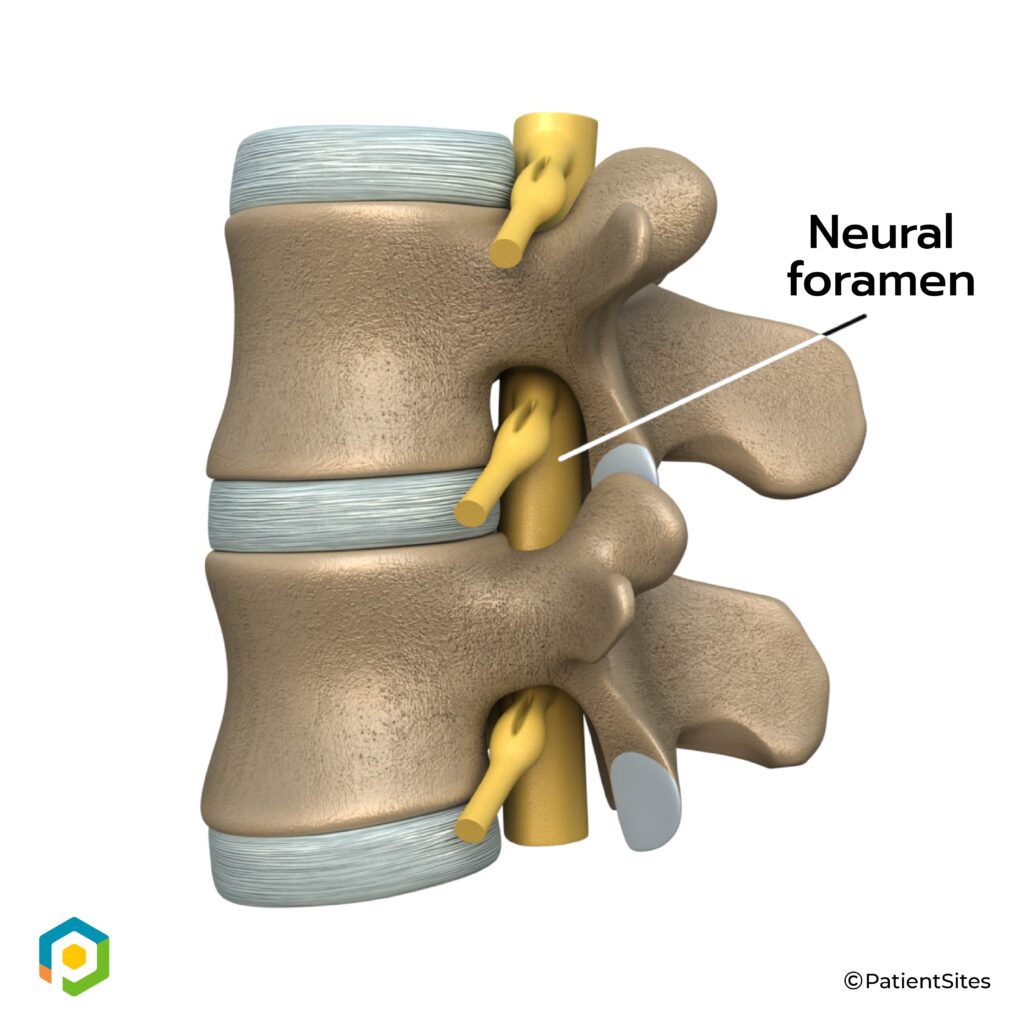
This is one of the most common fears patients express.
Fact:
Modern spine surgery is carefully planned using imaging, navigation, and nerve-protective techniques. The primary aim of surgery is to relieve pressure on nerves and stabilise the spine—not to harm it. Serious complications are uncommon when surgery is appropriately advised and performed with proper precautions.
Myth 2: “Surgery Is Always the First Treatment”

Many patients worry that seeing a spine specialist automatically leads to surgery.
Fact:
Most spine conditions improve with non-surgical treatment such as medication, physiotherapy, posture correction, and lifestyle changes. Surgery is considered only when conservative treatment fails, symptoms worsen, or nerve damage is progressing.
In reality, the majority of patients do not require surgery.
Myth 3: “Pain Never Improves After Spine Surgery”
Some people believe surgery only replaces one problem with another.
Fact:
Spine surgery is recommended when pain is caused by nerve compression or structural problems that cannot heal on their own. By addressing the root cause—such as a slipped disc or spinal narrowing—many patients experience significant pain relief and functional improvement.
Recovery may take time, but improvement is often gradual and meaningful.
Myth 4: “Long Bed Rest Is Needed After Surgery”

There is a belief that patients must remain in bed for weeks after spine surgery.
Fact:
In most modern spine procedures, early and safe movement is encouraged. Prolonged bed rest is usually avoided as it can delay recovery. Guided mobilisation and rehabilitation help patients regain strength and confidence sooner.
The recovery plan is tailored to the individual and the type of surgery performed.
Myth 5: “Spine Surgery Is Only for Elderly Patients”
Some younger patients ignore symptoms assuming surgery is only for older people.
Fact:
Age alone does not determine treatment. Spine problems can occur at any age due to injury, disc problems, or lifestyle factors. Decisions about surgery are based on symptoms, overall health, imaging findings, and how much daily life is affected—not on age alone.
What You Can Do as a Patient :
If you are experiencing persistent back or neck pain:
- Seek timely medical advice
- Ask questions and clarify doubts
- Understand both surgical and non-surgical options
- Follow recommended rehabilitation plans
- Avoid fear-based decisions based on hearsay
Good communication and accurate information make treatment smoother and outcomes better.
When Should You Consider Medical Evaluation?
Consult a spine specialist if you have:
- Persistent pain beyond 2–3 weeks
- Pain spreading to arms or legs
- Progressive weakness or numbness
- Difficulty walking or maintaining balance
- Symptoms affecting work, sleep, or daily life
Early evaluation often prevents problems from becoming complicated.
Closing Note

Spine surgery is not something to fear—but it is something to understand. Most spine problems do not require surgery, and when surgery is advised, it is done with clear goals and careful planning. Replacing myths with facts allows patients to focus on recovery rather than fear.
Related Articles
Latest Developments in the Treating Spinal Disorders
Back Pain : All You Wanted To Know