
Spinal disorders such as slip disc, spinal stenosis, fractures, and degenerative arthritis are common causes of back and leg pain. If you would like to understand the basics of symptoms and warning signs, you may read our detailed guide on Back Pain: When Is It Normal and When Should You Worry?. Many patients worry about surgery, long hospital stays, or prolonged recovery. The good news is that treatment options for spinal conditions have evolved significantly in recent years. Today, both non-invasive and minimally invasive approaches aim to reduce pain, shorten recovery time, and improve safety while maintaining effectiveness.
Understanding these developments helps patients make informed decisions rather than relying on fear or outdated information.
What Is This New Development?
Recent advances in spine care can broadly be divided into two categories:
1. Non-invasive (non-surgical)
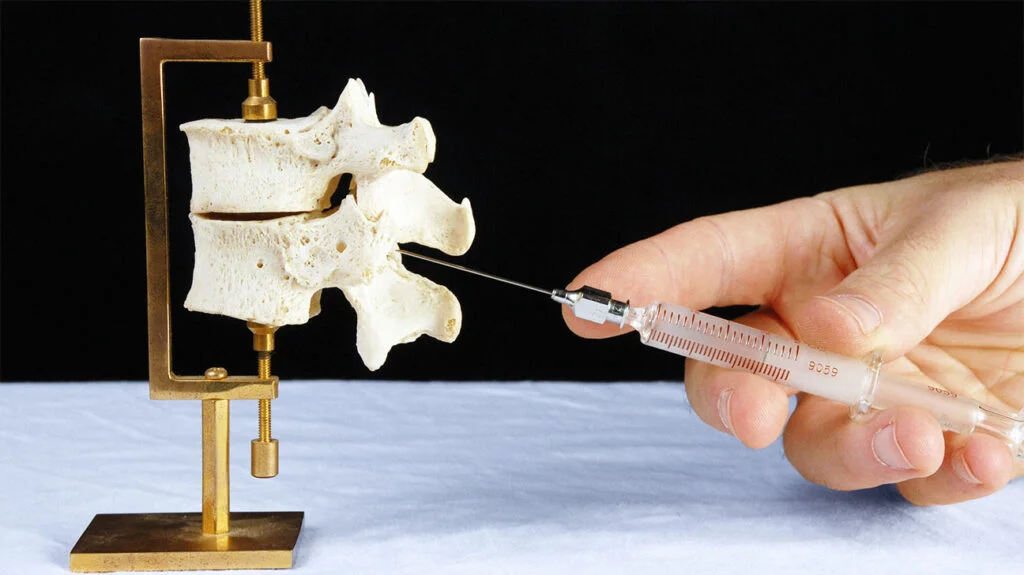
On the non-surgical side, improvements include targeted physiotherapy protocols, image-guided injections (using imaging like fluoroscopy or ultrasound for accuracy), advanced pain management strategies, and better rehabilitation programs. These approaches aim to control inflammation, relieve nerve irritation, and restore function without surgery whenever possible.
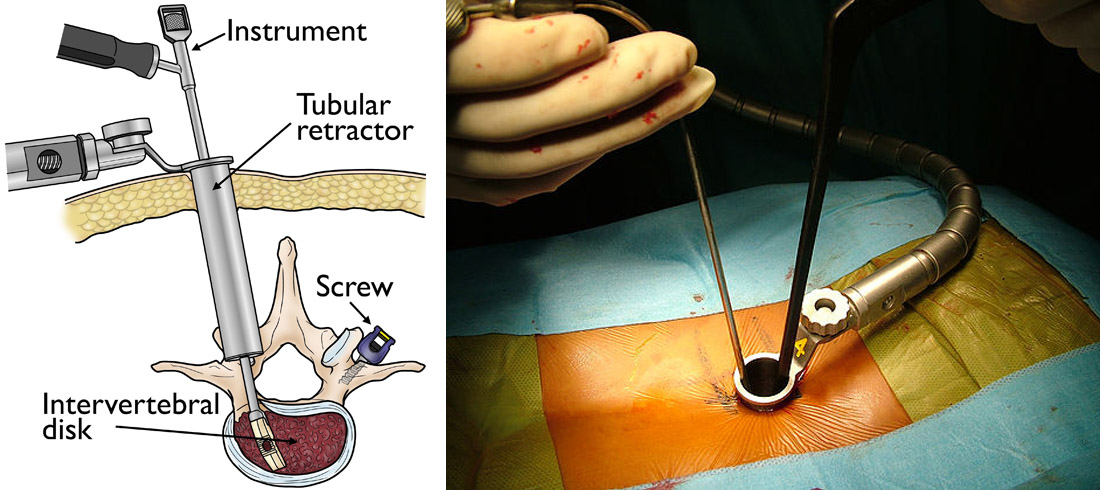
2. Minimally invasive surgical techniques (MIS).
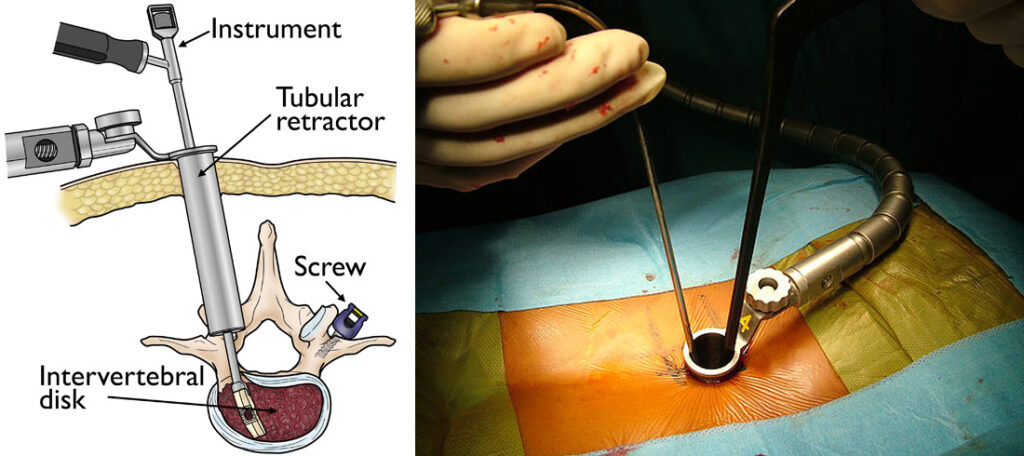
On the surgical side, minimally invasive spine surgery (MISS), endoscopic spine procedures (using small cameras and instruments), improved spinal implants, and navigation-assisted surgery have refined how operations are performed. These techniques focus on reducing tissue damage while effectively addressing the underlying problem.
The goal in both categories remains the same: relieve symptoms, protect nerve function, and restore mobility.
How Is It Different From Traditional Methods?
Compared to older treatment methods, modern spine care often offers:
- Smaller incisions in surgical cases
- Less muscle damage during procedures
- Shorter hospital stay for selected patients
- Faster mobilisation after surgery
- More precise targeting of painful structures during injections
- Structured rehabilitation protocols tailored to the individual
Traditional open surgeries sometimes required larger exposures and longer recovery periods. Today, in suitable patients, minimally invasive techniques aim to reduce post-operative pain and allow earlier return to daily activities.
Similarly, non-surgical care is now more structured and evidence-based, focusing on active rehabilitation rather than prolonged rest.
Who May Benefit From It?
These developments may benefit:
- Patients with slip disc causing leg pain
- Individuals with spinal stenosis (narrowing of the spinal canal)
- Selected patients with spinal fractures
- Patients whose symptoms persist despite conservative treatment
- Individuals seeking faster recovery due to work or lifestyle needs
However, suitability depends on multiple factors, including the severity of nerve compression, overall health, bone quality, and functional limitations. Treatment decisions are never based on imaging alone.
What Are Its Limitations?
It is important to understand that newer does not automatically mean appropriate for everyone.Many misconceptions still surround spine procedures. We have addressed these concerns in our blog on 5 Common Myths About Spine Surgery.
- Not all spinal problems require surgery.
- Not all patients are candidates for minimally invasive techniques.
- Some complex deformities or severe instability may still require conventional approaches.
- Non-surgical treatments may not relieve symptoms if significant nerve compression persists.
Technology improves precision, but it does not replace clinical judgement. Proper patient selection remains critical for good outcomes.
Why Careful Evaluation Still Matters
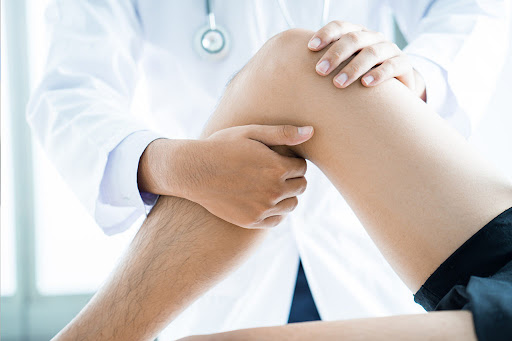
While techniques and tools have advanced, the foundation of successful spine treatment remains careful diagnosis and individualised planning.
A detailed history, physical examination, and correlation with imaging findings are essential. In many cases, symptoms improve with guided non-surgical care. Surgery is considered only when clearly indicated—such as progressive weakness, persistent nerve pain, or structural instability.
Choosing the right treatment is less about the newest device and more about matching the right approach to the right patient at the right time.
Closing Note
Spine care continues to evolve, offering patients safer and more refined options than in the past. Both non-invasive therapies and minimally invasive surgical techniques have expanded the range of effective treatments. However, informed discussion and thoughtful evaluation remain central to good care. Understanding your condition and discussing realistic expectations with your doctor helps ensure that the chosen treatment aligns with your needs and long-term well-being.
Related Articles
Back Pain: When Is It Normal and When Should You Worry?
Sciatica Explained: Why Pain Travels to the Leg