
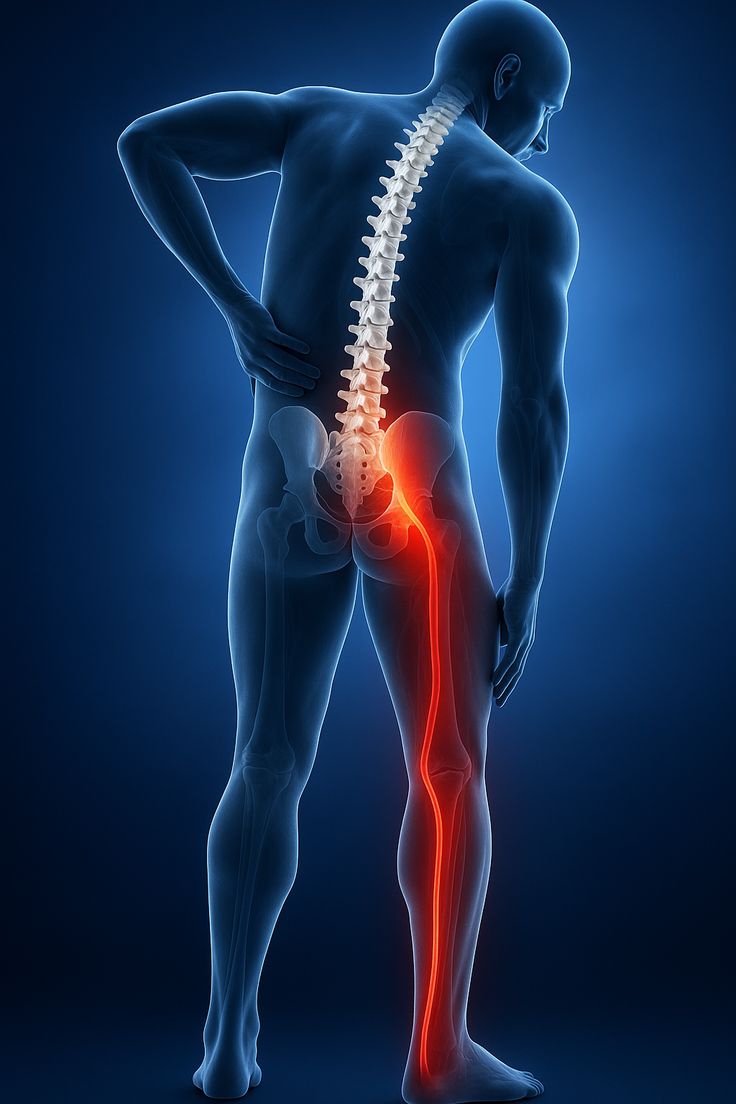
Sciatica is a common cause of leg pain that many people experience at some point in their lives. It often begins in the lower back and travels down the leg, causing discomfort, anxiety, and difficulty in daily activities. Because the pain can be sharp or persistent, patients often worry about its seriousness. Understanding sciatica helps reduce fear and allows timely, appropriate care.
You may also find it helpful to read our detailed guide on Back Pain: All You Wanted To Know.
What Is the Problem?
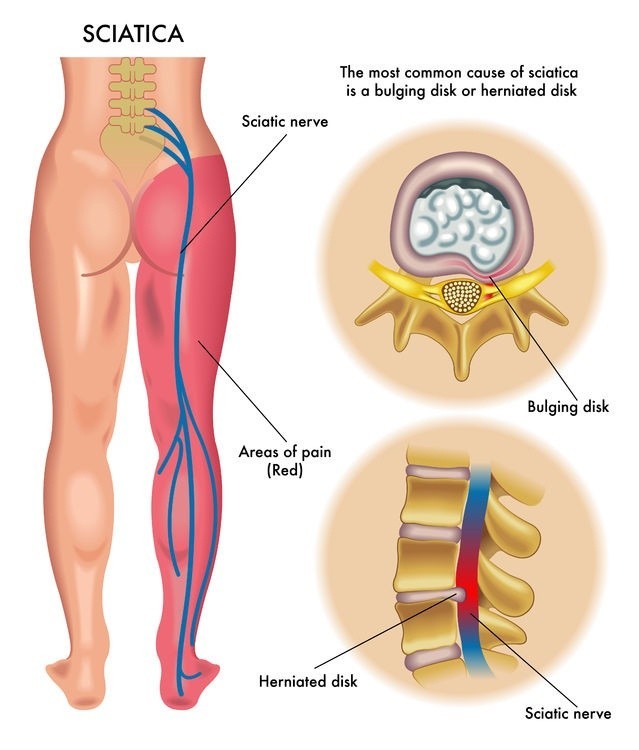
Sciatica refers to pain caused by irritation or pressure on the sciatic nerve, which is the largest nerve in the body. This nerve starts in the lower spine and travels through the buttock and down each leg.
When this nerve becomes irritated, it can produce pain anywhere along its path. The pain is usually felt more in the leg than in the back.
Sciatica can affect routine activities such as:
- Sitting for long periods
- Walking comfortably
- Bending forward
- Getting up from bed or a chair
The severity varies from mild discomfort to more intense pain that interferes with daily life.
Why Does Sciatica Happen?
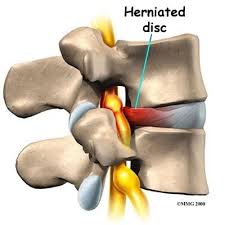
Sciatica occurs when something presses on or irritates the nerve in the lower spine. Common causes include:
- Slip disc (disc prolapse), where a disc presses on the nerve
- Age-related wear and tear of the spine
- Prolonged sitting, especially with poor posture
- Weak core and back muscles
- Sudden lifting of heavy weight
- Obesity, which increases load on the spine
- Minor injuries or strain
- Narrowing of the spinal canal (spinal stenosis)
Often, lifestyle factors and natural ageing changes together contribute to the problem.
Common Symptoms In Sciatica
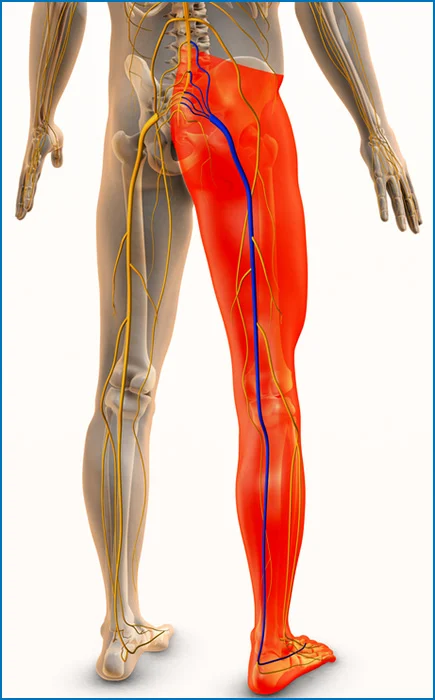
Sciatica can present in different ways. Common symptoms include:
- Pain radiating from the lower back to the leg
- Pain in the buttock, thigh, or calf
- Tingling or “pins and needles” sensation
- Numbness in part of the leg or foot
- Burning or electric shock-like pain
- Pain that worsens while sitting
- Relief when lying down or walking slowly
Usually, symptoms affect only one side.
What You Can Do – Self-Care & Prevention in Sciatica
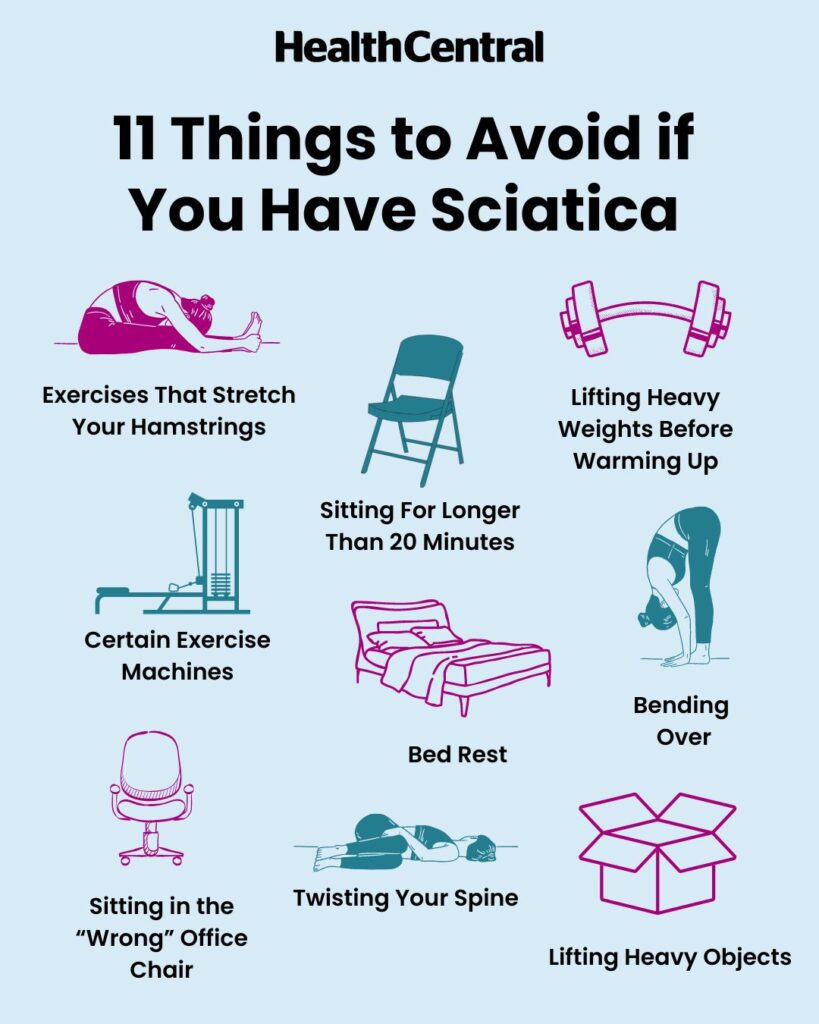
Many cases of sciatica improve with simple, non-surgical care. Helpful measures include:
- Avoid prolonged sitting without breaks
- Maintain correct posture while sitting and standing
- Use a firm chair with back support
- Stay physically active with gentle walking
- Perform guided back and core strengthening exercises
- Maintain healthy body weight
- Avoid sudden heavy lifting
- Use proper technique while bending or lifting
Remaining active is often more helpful than prolonged bed rest.
When Should You See a Doctor?
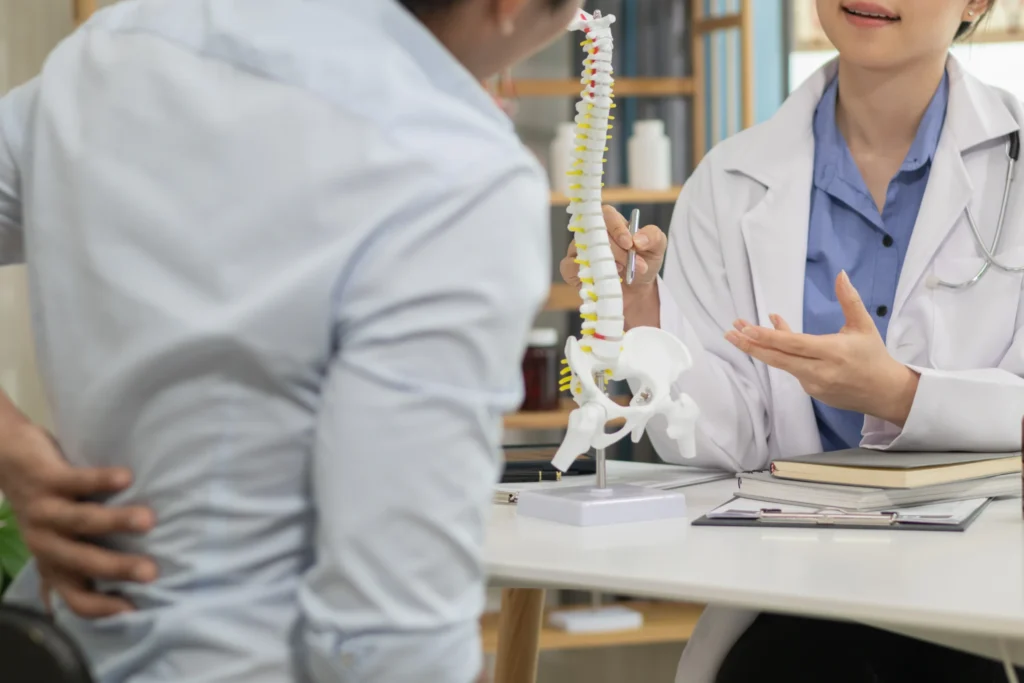
Medical evaluation is important if you experience:
- Pain lasting more than 2–3 weeks
- Severe or worsening leg pain
- Progressive numbness or weakness
- Difficulty walking normally
- Pain following an injury or fall
- Loss of bladder or bowel control (urgent evaluation needed)
Early evaluation helps identify the cause and guide appropriate treatment.
Modern treatment options, including minimally invasive and non-surgical approaches, are explained in our article on Latest Developments in Spine Treatment.
Closing Note
Sciatica is a common and often manageable condition. In many patients, symptoms improve with guided non-surgical care and lifestyle adjustments. The key is proper evaluation, understanding the cause, and following appropriate treatment recommendations. Ignoring persistent symptoms may prolong discomfort, while timely care helps restore comfort and normal activity safely.
If surgery is ever considered, understanding facts is important. You may read more in 5 Common Myths About Spine Surgery.
Related Readings
Back Pain: All You Wanted To Know.