

Introduction
Heel pain is very common. Many people feel it when they take their first step in the morning. At first, it may seem minor. However, if ignored, it can slowly affect walking and daily life.
One of the most common reasons for this pain is plantar fasciitis. The good news is that it can be treated well if identified early.
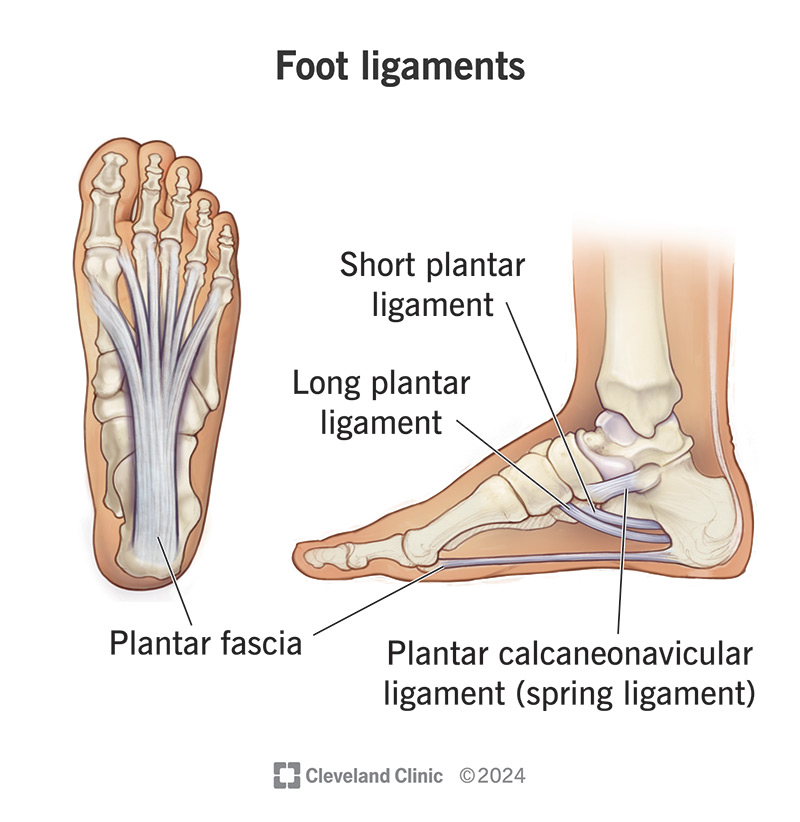
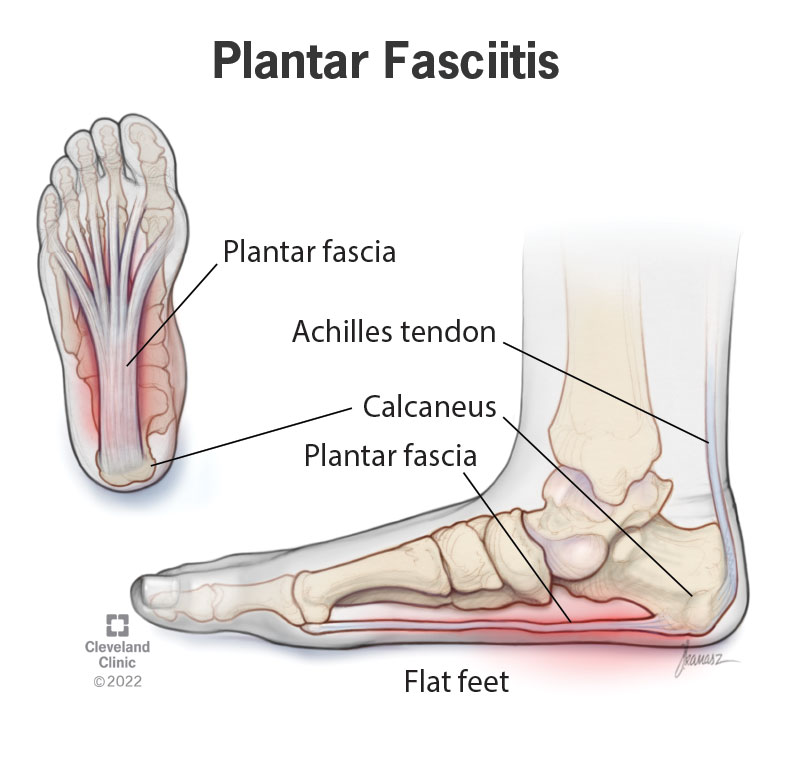
What Is Planter Fasciitis?
Plantar fasciitis is a problem in the foot. It affects a thick band of tissue called the plantar fascia. This band runs from your heel to your toes.
It supports the arch of your foot. It also helps you walk and absorb shock.
However, when this tissue is overused, small tears can develop. As a result, it becomes painful and stiff. The pain is usually felt under the heel.
Common Symptoms
Most patients notice a few clear signs.
- Sharp heel pain with the first step in the morning
- Pain on first step after sitting for a long time
- Heel discomfort after long standing or walking
- Pain that reduces after a few steps but returns later
- Tenderness at the bottom of the heel
- Stiffness in the foot
The “first step pain” is very typical. So, it is an important clue.
Why Does It Happen?
Plantar fasciitis usually develops slowly. It is often due to repeated strain.
Common causes include:
- Standing for long hours
- Walking on hard floors
- Wearing flat or unsupportive footwear
- Being overweight
- Tight calf muscles
- Flat feet or high arches
- Sudden increase in exercise
Also, age plays a role. Over time, the tissue becomes less flexible. Therefore, it is more prone to injury.
Treatment Options

The good news is that most people improve without surgery. However, treatment needs consistency.
1. Rest and Activity Change
Reduce activities that increase pain. At the same time, avoid complete bed rest.
2. Ice Application
Apply ice to the heel for 15–20 minutes. This helps reduce pain and swelling.
3. Stretching Exercises
Simple stretches are very effective. For example:
- Calf stretching
- Foot rolling with a bottle
- Towel stretch for the foot
4. Proper Footwear
Use shoes with good cushioning and arch support. Also, avoid walking barefoot at home.
5. Medications
Short-term pain relief medicines may help. However, they should be used under guidance.
6. Physiotherapy
If pain persists, guided therapy improves recovery.
7. Advanced Treatments
In resistant cases, injections or other treatments may be advised. Surgery is rarely needed.
To know more about the Treatment options, see Exercises for Planter Fasciitis.
Prevention Tips

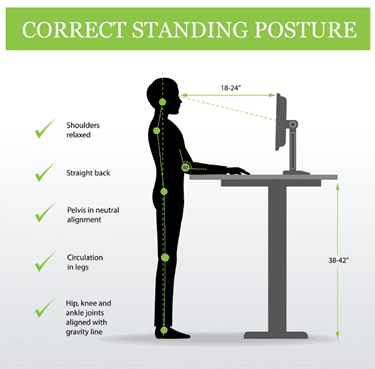
Prevention is simple but important. Small changes can make a big difference.
- Wear comfortable, supportive footwear
- Avoid standing for very long periods
- Maintain a healthy weight
- Stretch your calf and foot muscles daily
- Warm up before exercise
- Increase activity levels gradually
Also, listen to your body. Pain is often an early warning.
When Should You See a Doctor?
You should seek medical advice if:
- Pain lasts more than 2–3 weeks
- Pain is getting worse
- Walking becomes difficult
- Home remedies do not help
- Pain affects your daily routine
Early treatment helps faster recovery. It also prevents chronic problems.
Closing Note
Plantar fasciitis is a common cause of heel pain. However, it is usually manageable with simple steps. Early care and regular exercises can give lasting relief.
So, do not ignore heel pain—especially if it affects your first step of the day. With the right approach, you can return to comfortable walking and normal activity.